What Does It Mean for a Dental Office to Be Child-Friendly?
So what makes a dental office child-friendly? It comes down to much more than bright paint colors and cartoon characters on the walls.
A child-friendly practice is built to help kids feel safe, comfortable, and even excited about their visits. True child-friendliness involves the physical space, a specially trained team, age-appropriate communication, and a clinical philosophy centered on families. Think of it as every detail working together, from the waiting room layout to the way team members introduce themselves.
At practices like ICON Pediatric Dentistry & Orthodontics, this child-first approach is woven into everything from day one. The American Academy of Pediatric Dentistry (AAPD) recommends that kids visit a pediatric dentist by age one or within six months of the first tooth appearing. A truly child-friendly practice makes that first visit positive rather than intimidating. When kids feel comfortable early on, they're more likely to keep up with healthy dental habits as they grow.
Key Features That Make a Dental Office Welcoming for Kids
The key features of a child-friendly dental office include engaging waiting areas, kid-friendly language, approachable team members, the tell-show-do technique, positive reinforcement, and sensory-friendly design. Each of these elements works together to create a space where kids feel welcome and parents feel confident about the care their family receives.
Here's what that looks like in practice:
Engaging Waiting Areas
- Toys, books, and games that keep kids entertained
- Child-sized furniture that makes kids feel like the space was made for them
- Video screens with age-appropriate content
- A clean, bright atmosphere that feels inviting rather than clinical
Kid-Friendly Language
The team skips intimidating clinical terms. Instead of "needle," they might say "sleepy juice." Instead of "extraction," they use friendlier words. This simple shift makes a huge difference in how kids perceive their visit. Parents notice it right away, too.
Approachable Team Members
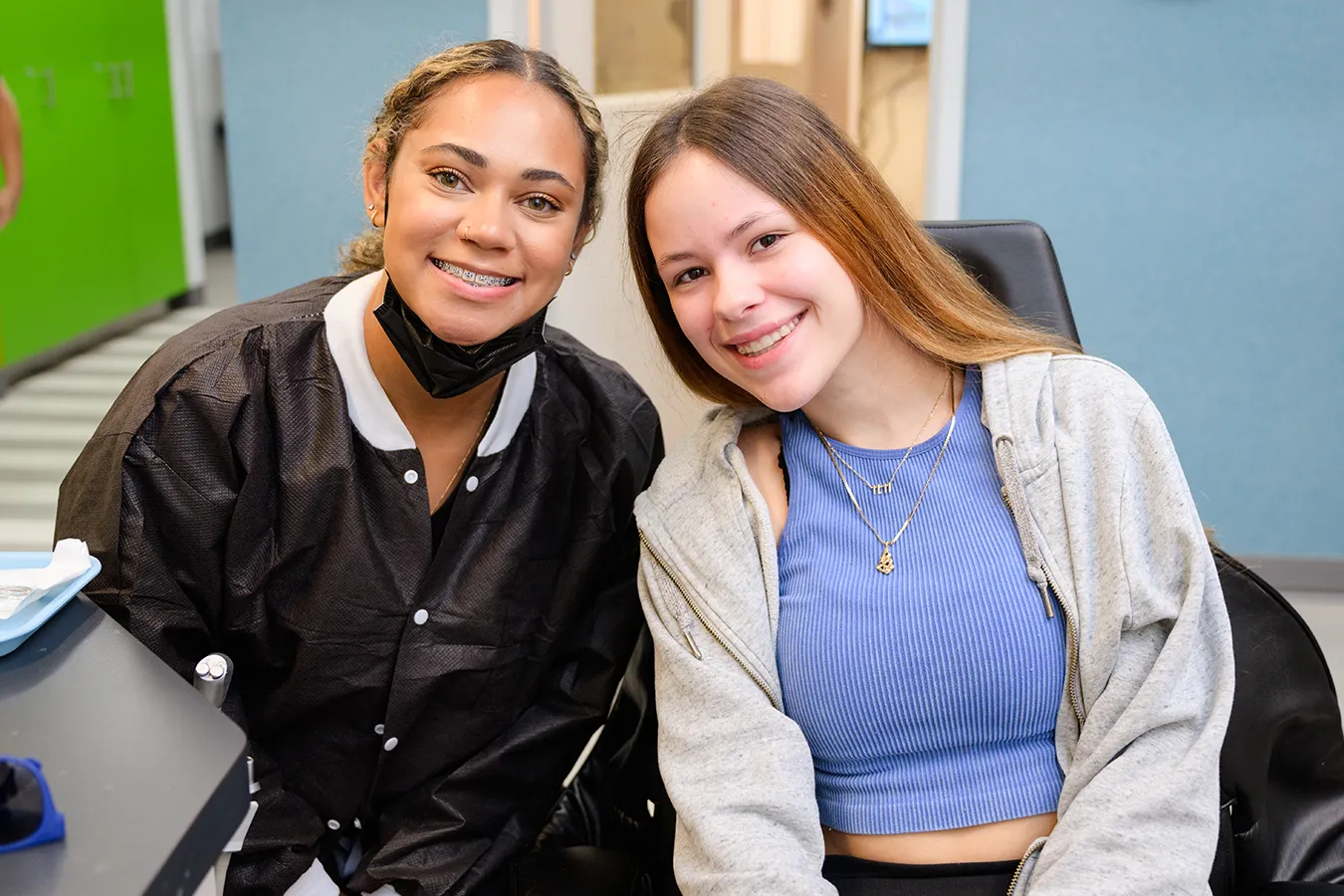
Many pediatric practices skip the traditional white coats. Team members take extra time to get down to a child's eye level, introduce themselves, and earn their trust before any dental work begins. At ICON Pediatric Dentistry & Orthodontics, the team is trained to connect with kids, whether that means cracking jokes, giving high-fives, or letting a nervous toddler hold a mirror during their exam.
The Tell-Show-Do Technique
This proven method involves three steps:
- Tell the child what will happen using simple words
- Show them the tools and demonstrate on a model or their finger
- Do the procedure only after the child understands and feels ready
Positive Reinforcement
Prize boxes, stickers, and small rewards create happy associations with dental visits. Kids leave feeling proud of themselves, which makes the next appointment something to look forward to.
Sensory-Friendly Details
Some practices also consider lighting, sound, and even the scents in the room. Softer lighting, calming music, and a warm greeting at check-in all contribute to a space that feels less clinical and more welcoming for young visitors.
Benefits of Choosing a Child-Friendly Dental Practice
Selecting the right environment for your child pays off in both the short and long term.
How Does a Child-Friendly Practice Reduce Dental Anxiety?
Kids who have positive early experiences are far less likely to develop the dental dread that affects so many adults. According to the AAPD, negative childhood dental experiences are among the leading contributors to adult dental anxiety. A welcoming, kid-focused practice helps break that cycle before it starts.
When your child is calm and cooperative, appointments become easier for everyone, including you. A relaxed child also allows the pediatric dentist to perform more thorough exams and catch potential concerns early.
Why Do Positive Early Experiences Matter?
- Builds lifelong habits. Kids who enjoy their visits are more willing to brush, floss, and maintain regular checkups as they get older.
- Better clinical outcomes. Comfort leads to cooperation, which leads to more accurate exams and earlier detection.
- Fewer delayed procedures. Kids who feel safe are more willing to accept necessary treatments without resistance or tears. That means less stress for the whole family.
The AAPD recommends establishing a "dental home" by age one so kids receive consistent care throughout childhood. A child-friendly practice like ICON Pediatric Dentistry & Orthodontics makes this possible.
What Makes a Child-Friendly Dental Office Different from a General Practice?
| Feature | Child-Friendly Pediatric Practice | General Dental Practice |
|---|---|---|
| Equipment | Smaller instruments and child-sized chairs | Standard adult-sized equipment |
| Training | Pediatric dentists complete 2-3 additional years of specialized training | General dentistry training only |
| Environment | Themed rooms, play areas, kid-focused decor | Professional but not child-specific |
| Behavior Management | Specialized techniques for anxious or resistant kids | May lack pediatric-specific approaches |
| Special Needs Care | Often equipped for adaptive approaches | Varies widely by practice |
| Sedation Options | Multiple options commonly available | May be limited or unavailable |
Board-certified pediatric dentists, including those who hold the title of Diplomate of the American Board of Pediatric Dentistry, are trained to handle the unique dental needs of infants, kids, and teens. This includes understanding how teeth develop, managing behavior effectively, and creating experiences that build trust. Their additional years of residency training, beyond dental school, focus entirely on treating young families. At ICON Pediatric Dentistry & Orthodontics, the team's specialized training means your child receives care designed specifically for growing smiles.
Does a Child-Friendly Practice Cost More?
A child-friendly dental practice typically costs the same as a general practice for routine preventive care. Most dental insurance plans cover pediatric visits at the same rate regardless of practice type. Routine exams, cleanings, fluoride treatments, and X-rays are usually fully covered under most plans.
Some specialized services may carry additional fees. Sedation dentistry, for example, often involves extra costs. But many families find that investing in a positive early dental experience actually saves money over time. Kids who are comfortable at the practice need fewer emergency visits and are less likely to require extensive corrective work from neglected dental care.
ICON Pediatric Dentistry & Orthodontics offers flexible payment options and works with families to find a budget that works for their situation. The team believes that fun, yet exceptional, care for the whole family should be simple & affordable.
Which Kids Benefit Most from a Child-Friendly Dental Practice?
Every child can benefit from a pediatric-focused practice like ICON Pediatric Dentistry & Orthodontics, but some kids gain even more from this kind of environment.
- First-time visitors. Starting with a positive experience sets the tone for years of good dental health ahead.
- Kids with dental anxiety. They need the extra patience and specialized techniques that board-certified pediatric dentists provide.
- Kids with previous negative experiences. A fresh start in a supportive setting can help rebuild trust over time.
- Families with kids who have special needs. Pediatric practices often offer adaptive approaches and extra accommodations that general offices may not have.
- Babies and toddlers. The AAPD recommends that little ones visit a pediatric dentist by age one or within six months of the first tooth appearing to establish a dental home.
- Teens needing orthodontic care. They can receive treatment in the same comfortable setting they've known since childhood.
Frequently Asked Questions About Child-Friendly Dental Practices
At what age should a child first visit a child-friendly pediatric dentist?
The AAPD recommends bringing your child to a pediatric dentist by age one or within six months of their first tooth appearing. This early visit establishes a dental home and helps ensure your child has a great first experience. It also allows the doctor to spot any early concerns and provide guidance on caring for baby teeth.
How can I prepare my child for their first dental visit?
Use positive, simple language when talking about the dentist. Read kids' books about dental visits together. Avoid sharing any negative experiences you may have had. Let your child know the smile expert is a friendly helper who keeps their smile healthy. Many practices, including ICON Pediatric Dentistry & Orthodontics, also welcome a pre-visit tour so kids can see the space before their appointment.
What is the tell-show-do technique?
Tell-show-do is a behavior management technique used by pediatric dental professionals. First, the dentist tells the child what will happen using age-appropriate words. Then, they show the child the tools and demonstrate how they work. Finally, they do the procedure. This step-by-step approach reduces anxiety by eliminating surprises. At ICON Pediatric Dentistry & Orthodontics, the team uses tell-show-do at every visit to help kids feel in control.
Do child-friendly practices offer sedation for anxious kids?
Many pediatric dental practices offer sedation dentistry options for kids who need extra comfort. These can range from mild sedation (like nitrous oxide, sometimes called "laughing gas") to deeper sedation for more involved procedures. Your child's pediatric dentist can discuss which options might be appropriate for your child's specific needs. ICON Pediatric Dentistry & Orthodontics offers multiple sedation options to help kids feel comfortable during treatment.
How do I know if a dental practice is truly child-friendly?
Look for these signs: team members who are trained in pediatric dentistry, an environment designed with kids in mind, positive reviews from other parents, and a family-first philosophy that prioritizes comfort. Board-certified pediatric dentists, like those who are members of the AAPD, have completed additional training focused entirely on treating kids. You can also schedule a tour to get a feel for the space and the team before your child's first appointment.