
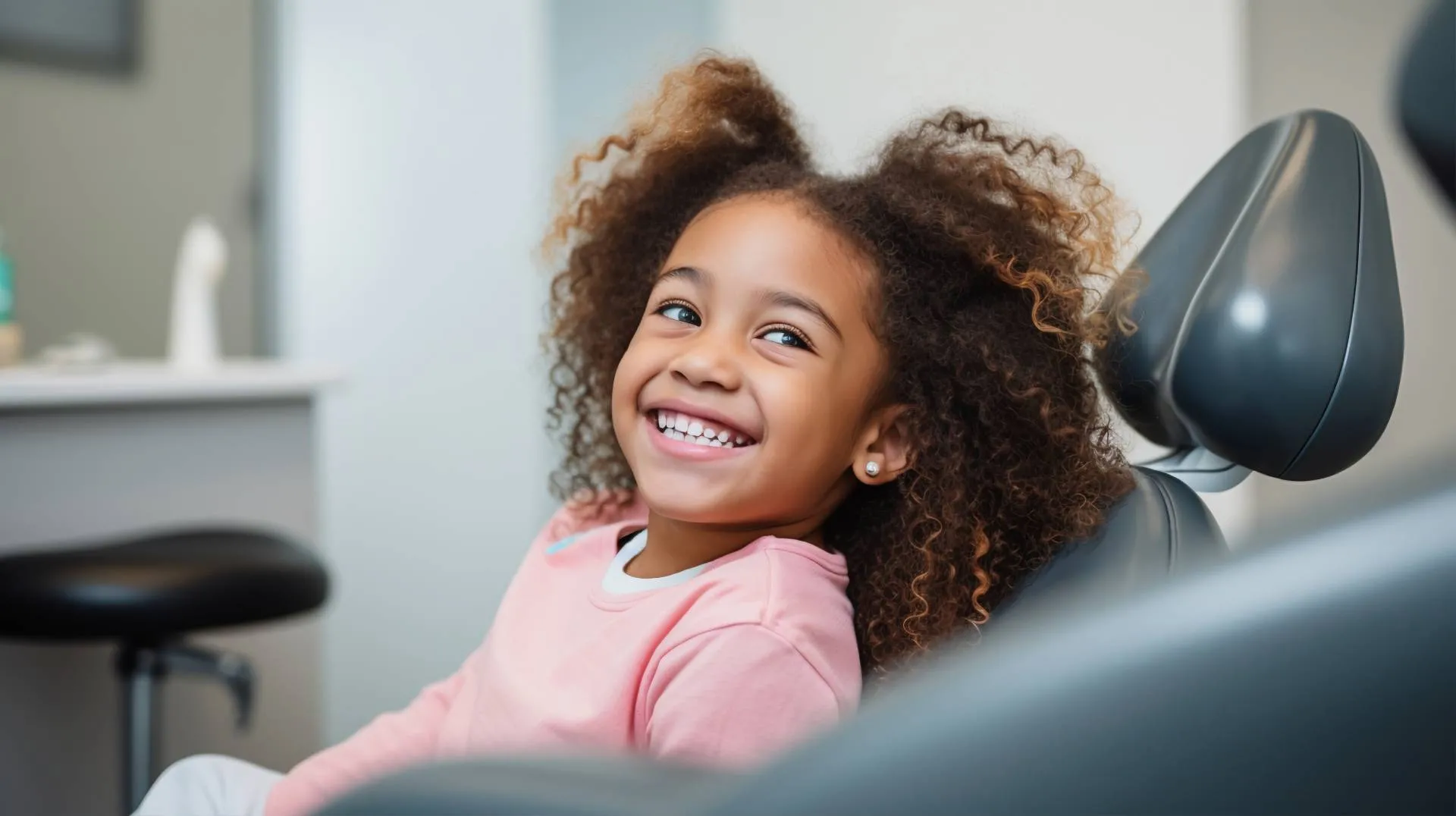
Parents often ask at what age their child should first see a pediatric dentist. The American Academy of Pediatric Dentistry (AAPD) recommends that kids visit by their first birthday or within six months of their first tooth appearing, whichever comes first. This "first tooth, first birthday" rule gives families a simple guideline to follow. While it might seem early, these initial visits aren't about treatment. They're about establishing a dental home where your child feels comfortable and safe.
A pediatric dentist focuses on caring for infants, kids, and teens. Their training covers the specific oral health needs of growing mouths, from teething through adolescence. The team at ICON Pediatric Dentistry & Orthodontics offers dedicated baby dental care services and pediatric dental services designed to make that first visit a positive experience for your whole family.
Every child is different, and that shapes how we approach care from day one. We prioritize open communication, mutual respect, integrity, and education for both you and your child. When families start early, their little ones grow up seeing dental visits as a normal, even fun, part of life. That kind of comfort doesn't happen by accident. It's built over time through gentle, consistent experiences in a practice designed just for kids.
What Happens at Your Child's First Dental Appointment?
Your baby's first dental visit is gentle, quick, and focused on getting to know your child. Most first appts last about 30 to 45 minutes, giving your family plenty of time to ask questions and settle in. A board-certified pediatric dentist has the specialized training to make even the youngest patients feel at ease. Here's what you can expect:
- Lap-to-lap exam: You'll sit knee-to-knee with the pediatric dentist, holding your child on your lap. Your child then rests their head in the specialist's lap for the exam. This position keeps your little one feeling secure, and it gives parents a front-row seat to everything happening. Many families tell us this is the part that surprised them most, because it feels so relaxed and natural.
- Gentle mouth check: Your child's gums, any emerging teeth, jaw development, and bite alignment all get a careful look. The team is checking the big picture of oral health.
- Early screening: The care team also screens for early signs of decay, tongue-tie, lip-tie, or developmental concerns that might need monitoring down the road.
- Parent education: You'll get personalized guidance on brushing techniques, fluoride use, bottle habits, sippy cup transitions, and pacifier weaning. This is often the most valuable part of the visit for new parents.
- Follow-up scheduling: Second visits are typically scheduled every six months. This regular rhythm helps your child become comfortable with the dental environment before any treatment is ever needed.
The goal is simple: create a positive first impression. When kids associate the practice with friendly faces and gentle care, they carry that comfort into childhood and beyond. Our team loves watching nervous first-timers turn into kids who actually look forward to their next appt.
Benefits of Early Pediatric Dental Visits
Starting dental visits early pays off in ways most parents don't expect. Here's a closer look at why it matters so much.
Catching Issues Before They Grow
Baby teeth can develop cavities surprisingly fast. Early visits allow your child's care team to spot decay before it becomes uncomfortable or requires extensive treatment. Catching a small area of concern at a routine checkup is far easier on your child than waiting until there's discomfort or an emergency.
Less Anxiety, More Confidence
Kids who visit a pediatric practice early tend to have less anxiety about dental care as they get older. They see it as routine, not stressful. Building that familiarity in a kid-friendly environment at a practice like ICON Pediatric Dentistry & Orthodontics makes a real difference in how kids feel about their smile care over time.
When Can Orthodontic Concerns Be Identified?
Your pediatric dentist can spot jaw development issues or spacing concerns that might benefit from an early orthodontic evaluation. The American Association of Orthodontists (AAO) recommends kids see an orthodontist by age 7.
What Parents Learn Along the Way
You'll pick up age-appropriate brushing techniques, understand which foods support healthy teeth, and know what to watch for at home. These conversations change as your child grows, so each visit brings new, relevant guidance.
Prevention Saves Money Over Time
Prevention costs far less than treatment. Kids who see a pediatric dentist by age one are less likely to need emergency dental care or costly restorations later on. Think of these early appts as an investment in your child's long-term oral health.
A smile is a powerful thing, and helping your family achieve healthy, confident smiles you love is what drives us. That motivation starts with these early visits.
Pediatric Dentist vs. General Dentist for Your Child's First Visit
A pediatric dentist differs from a general dentist in training, office environment, equipment, and behavior management. Here's how they compare:
| Factor | Pediatric Dentist | General Dentist |
|---|---|---|
| Training | 2-3 additional years of residency focused on kids after dental school | General training for all ages |
| Office Environment | Designed specifically for kids with child-friendly decor and activities | Typically designed for adult patients |
| Equipment | Sized for infant and toddler mouths | Standard adult-sized instruments |
| Behavior Management | Specialized training in working with anxious or uncooperative kids | Limited pediatric behavior training |
| Sedation Options | Trained in pediatric sedation techniques when needed | May refer out for pediatric sedation |
| Continuity of Care | Follows your child from infancy through adolescence | May not specialize in developmental changes |
Pediatric dentists complete 2 to 3 additional years of residency training focused exclusively on treating kids. Board-certified pediatric dentists understand child development, behavior management, and how to make dental visits fun. Their offices reflect that specialization, from the waiting room toys to the smaller instruments used during exams. This residency-level training means they've spent thousands of clinical hours working specifically with infants, toddlers, and adolescents before ever entering private practice.
A combined pediatric and orthodontic practice like ICON Pediatric Dentistry & Orthodontics offers an added benefit: your child's care team can communicate easily as they grow. When it's time for an orthodontic evaluation, your pediatric dentist and orthodontist already know your child's history. Families appreciate not having to start over at a new practice when their child's needs change.
What Does a Child's First Dental Visit Cost?
A child's first dental visit typically costs little to nothing out of pocket. Most dental insurance plans cover preventive pediatric visits at 100%, which means your child's first appt is often fully covered. Because it's primarily an exam and consultation rather than treatment, it's one of the least expensive appts you'll schedule.
Here's what families should know about costs:
- Insurance coverage: Most plans cover exams, cleanings, and fluoride treatments for kids without any out-of-pocket expense.
- Medicaid and CHIP: These programs cover kids' dental care in most states, making early visits accessible for families across income levels.
- The cost of waiting: Delaying dental care often leads to higher expenses down the road. Emergency visits for tooth infections or extensive cavity treatment cost significantly more than routine preventive care. Even a single avoided emergency visit can offset years of regular checkups.
- Many practices, including ours, offer payment calculators and financing options to help families budget for dental care. We believe in keeping things simple & affordable so that cost never stands between your child and a healthy smile.
Think of early dental visits as an investment. The time and resources you put into prevention now can save your family from unexpected dental emergencies later.
Is Your Child Ready for Their First Dental Visit?
Wondering if your little one is ready? Here are a few signs to look for.
What If My Child's First Tooth Has Appeared?
Once that first tooth breaks through, it's time to schedule. Teeth can develop decay as soon as they emerge, so there's no reason to wait. Even a single tooth deserves professional attention from a qualified pediatric dentist.
Should I Schedule a Visit Around My Child's First Birthday?
Even if teeth haven't appeared yet, a visit around age one allows the care team to assess gum health and jaw development. This baseline check gives your family a head start on preventive care and establishes a dental home early.
Should Kids With Special Healthcare Needs See a Pediatric Dentist Early?
Kids with special needs often benefit from establishing care with a trained pediatric dentist early. At ICON Pediatric Dentistry & Orthodontics, this builds trust and allows the team to understand your child's specific requirements. Early familiarity with the practice environment can make future visits much smoother for everyone involved.
What If I Notice Something Concerning?
If you spot tooth discoloration, swollen gums, white spots on teeth, or your child seems to be experiencing discomfort, schedule a visit right away regardless of age. Trust your instincts on this one. You know your child best, and acting quickly often means simpler, less involved treatment.
No child is too young for a dental visit. Our team at ICON Pediatric Dentistry & Orthodontics provides dedicated dental care for babies, and we're here to answer your questions and put your mind at ease.
Frequently Asked Questions About Your Child's First Dental Visit
What if my baby has no teeth yet?
Your pediatric dentist can still assess gum health, check jaw development, and look for signs of tongue-tie or other concerns. You'll also get guidance on teething, cleaning gums, and preparing for those first teeth to arrive. These early conversations set the foundation for strong oral health habits before teeth even show up.
How do I prepare my toddler for their first appt?
Use positive, simple language when talking about the visit. Read kids' books about going to the practice, and play pretend at home with a toothbrush and mirror. Keep things light and upbeat, since kids pick up on parental stress and your calm confidence helps them feel ready. A few days of casual conversation about the visit goes a long way.
How often should my child see a pediatric dentist after the first visit?
The AAPD recommends dental checkups every six months for most kids. These regular visits allow your care team to monitor development, catch any issues early, and reinforce good oral hygiene habits. Some kids with higher cavity risk may need more frequent visits, and your pediatric dentist will let you know if that applies to your child.
What if my child cries during the visit?
Crying is completely normal, especially for babies and toddlers in new environments. At ICON Pediatric Dentistry & Orthodontics, our team is trained to work through tears with patience and gentle techniques. Most kids calm down quickly once they realize the visit is comfortable and safe. Don't let the possibility of tears keep you from scheduling.
When should my child first see an orthodontist?
The AAO recommends an orthodontic evaluation by age 7. At this age, your child has a mix of baby teeth and permanent teeth, which lets the orthodontist spot potential issues with jaw growth, spacing, or bite alignment. Early evaluation doesn't always mean early treatment. It simply means your orthodontist can monitor development and recommend the right timing for any needed care.