Types of Braces
We offer a range of braces to help you achieve the smile you’ve always wanted. Whether you prefer the durability of traditional metal braces or the subtlety of clear ceramic braces, our practice provides customized orthodontic treatment options to suit your unique needs. Both types of braces are highly effective and designed to give you the best possible results.
Choosing the right type of braces depends on your personal preferences, lifestyle, and orthodontic goals. Our experienced team will guide you through the decision-making process, ensuring you feel confident in selecting the option that works best for you. No matter which type of braces you choose, you can trust our team to provide expert care and a smile that lasts a lifetime.
Metal
We offer traditional metal braces as one of the most effective and reliable options for straightening teeth. These braces use high-grade stainless steel brackets and wires to gradually move your teeth into the desired position. Modern metal braces are smaller, more comfortable, and more efficient than ever before, making them a popular choice for both teens and adults.
With metal braces, you can achieve a beautifully aligned smile that will last a lifetime. Plus, you can personalize your treatment with different colored elastics, adding a fun touch to your orthodontic journey. Our team will work closely with you to ensure your braces fit comfortably and deliver outstanding results.
Ceramic
For patients seeking a more discreet way to straighten their teeth, we also offer clear braces. Made from translucent ceramic materials, clear braces blend seamlessly with your natural tooth color, making them a great choice for those who want a less noticeable treatment option. These braces work just as effectively as traditional metal braces, ensuring you achieve the same outstanding results while maintaining a more subtle appearance.
Clear braces are popular among both teens and adults who want the benefits of orthodontic treatment without drawing too much attention. We’ll customize your clear braces treatment plan to suit your needs and ensure you feel confident throughout your journey to a healthier, more beautiful smile.
The Cost of Braces
It’s difficult to predict exactly how much braces will cost for your child, as the amount you’ll pay will ultimately be impacted by a wide array of different factors. The total length of treatment time will absolutely contribute to the cost, for example, as will the nature of the specific types of issues you’re trying to correct.
But don’t worry — your orthodontist will go over everything with you after your initial examination so that you’ll have a more complete and specific picture about the exact cost of treatment moving forward.
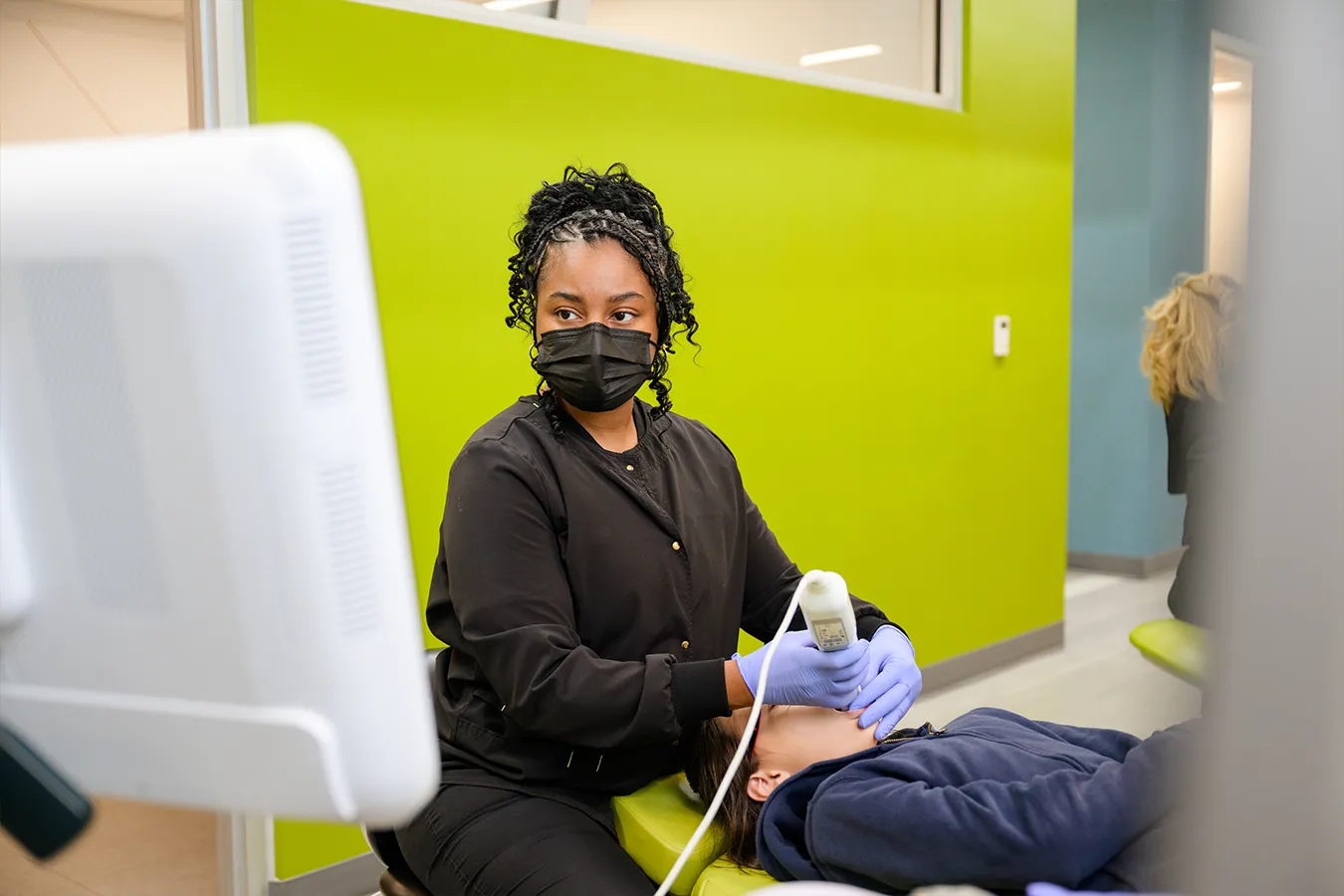
Braces for Kids
One of the most important things to understand about braces is that the types of issues they are designed to correct can occur at any age. So in a general sense, a patient is never “too young” or “too old” to explore this form of treatment to get that perfect smile they’ve always wanted.
Most experts agree that an ideal time for kids to get braces is between the ages of ten and 14 years old. At this point, the head and the mouth are still growing — but they’re doing so in a way that allows the teeth to be far more conducive to straightening than they would at other ages.
when should my child see an orthodontist?
For the most part, it’s a good idea for your child to see an orthodontist when they start to display any of the specific dental-related issues that braces are actually designed to correct. These include but are not limited to things like crowded teeth, crooked teeth, overbites, underbites, incorrect jaw position, various disorders of the jaw joints, and more.
How do braces work?
Generally speaking, braces work by first attaching a series of small metal brackets to each tooth in a patient’s mouth. Those brackets are then connected together via metal wires (one for the top row and one for the bottom row) that hold everything in place.
The tensile strength of the wires is what applies pressure on the brackets, which is ultimately what moves the teeth into the desired position slowly over time. This is usually what the point of any trip to the orthodontist during treatment is. Not only do they want to make sure that everything is proceeding along exactly as it should be, but they’ll also need to periodically adjust the strength of those wires, too.
active lifestyles & braces
The good news is that your child can absolutely continue to live an active lifestyle throughout their braces treatment — it’s just that they (and you) will need to keep a few key things in mind.
If your child plays sports, for example, they’re definitely going to want to wear a mouth guard or some other form of protection during play. This is not only to protect their teeth, but to protect the bracket and wire system that make up their braces.
It’s also worth noting that there are certain types of foods they’re definitely going to want to stay away from, including anything that is particularly sticky, chewy, or hard. This doesn’t necessarily tie into the “active” part of an “active lifestyle,” but it’s a lifestyle consideration all the same.
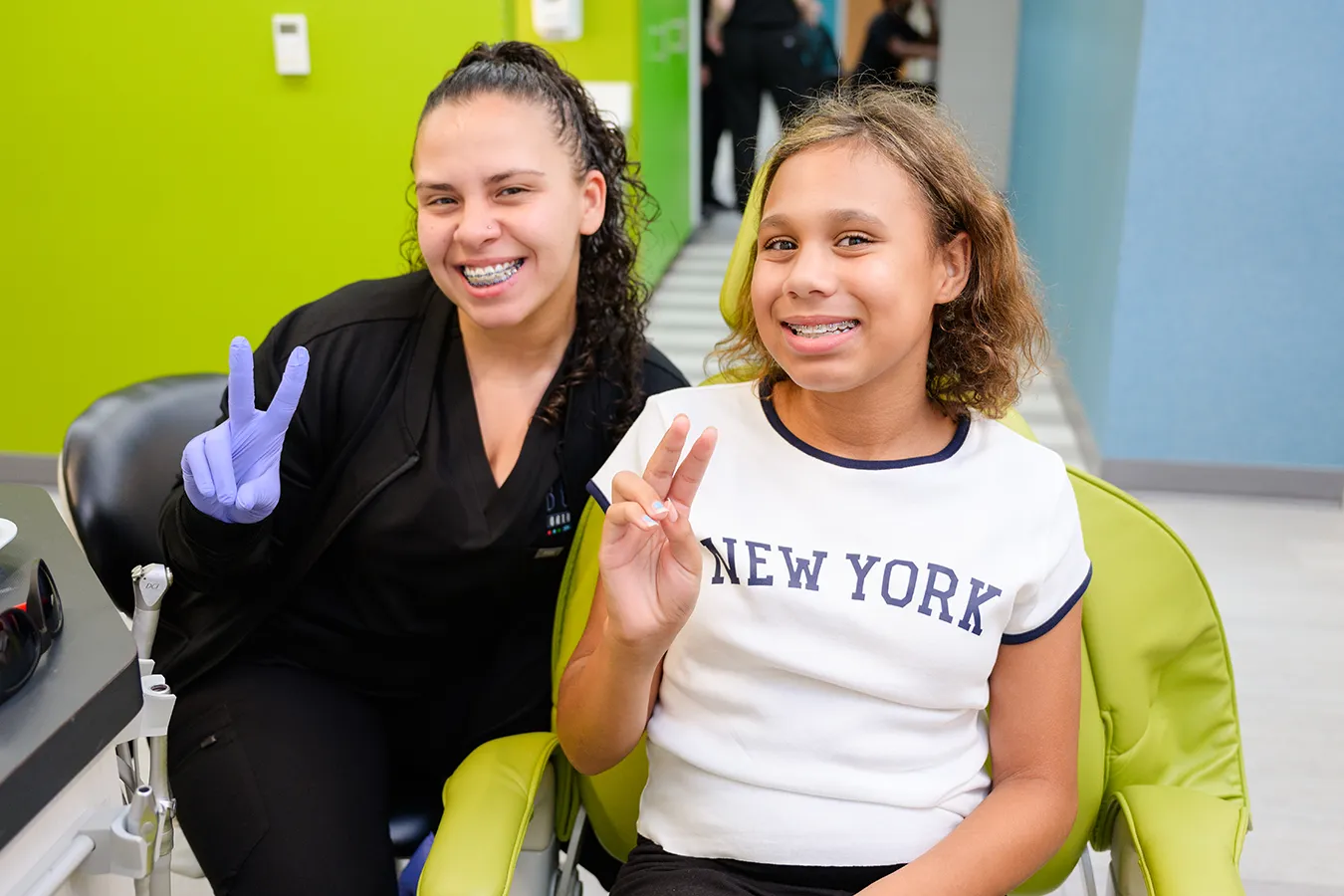
Braces for Teens
The most immediate benefit of braces is also, thankfully, the most obvious: you’ll enjoy an incredible self-esteem boost as a direct result of your treatment. When you know that you finally have that perfect smile you’ve always wanted, you’re more likely to show it off — making your teen become a more confident person as a result.
Braces can also help act as a preventative measure to correct the types of negative issues that will impact your teen’s smile later on in life, so regardless of which angle you choose to examine the situation from, it’s clearly a good idea!
How long will My teen be in braces?
It’s important to note that the answer to this question is obviously going to vary depending on the patient. Certain types of issues simply take longer to correct than others, and your total length of treatment will be impacted by a number of different factors.
Overall, you can probably expect to wear braces for around two years – but again, that could be longer or shorter depending on the situation. Don’t worry — your orthodontist will go over all of this with you ahead of time so that you know exactly what to expect moving forward.
caring for braces
Ultimately, caring for your braces is fairly straightforward. All you have to do is make sure that you brush and floss your teeth after every meal, AND make sure that you’re taking care of any food particles that may be stuck in or around the brackets.
Though at the end of the day, all of this is the type of dental hygiene approach that you should have already been practicing. Provided that you were, you really won’t notice much in the way of a difference to your normal routine.
active lifestyles & braces
It is absolutely possible to get braces and still live an active lifestyle. Having said that, you WILL want to wear a mouth guard during sports — especially those that are prone to high contact situations, like football. Doing so will not only protect your teeth, but it’ll also safeguard the brackets and wires, too.
Overall, there are definitely certain types of foods you’ll want to steer clear from during the course of your treatment. These include any foods that are particularly sticky, for example, with hard candies being a prominent example. Likewise, you’ll want to avoid foods like popcorn that could potentially get stuck in and around the brackets, and you’ll want to stop eating very hard foods like hard pretzels that could cause damage and delay the completion of your treatment.
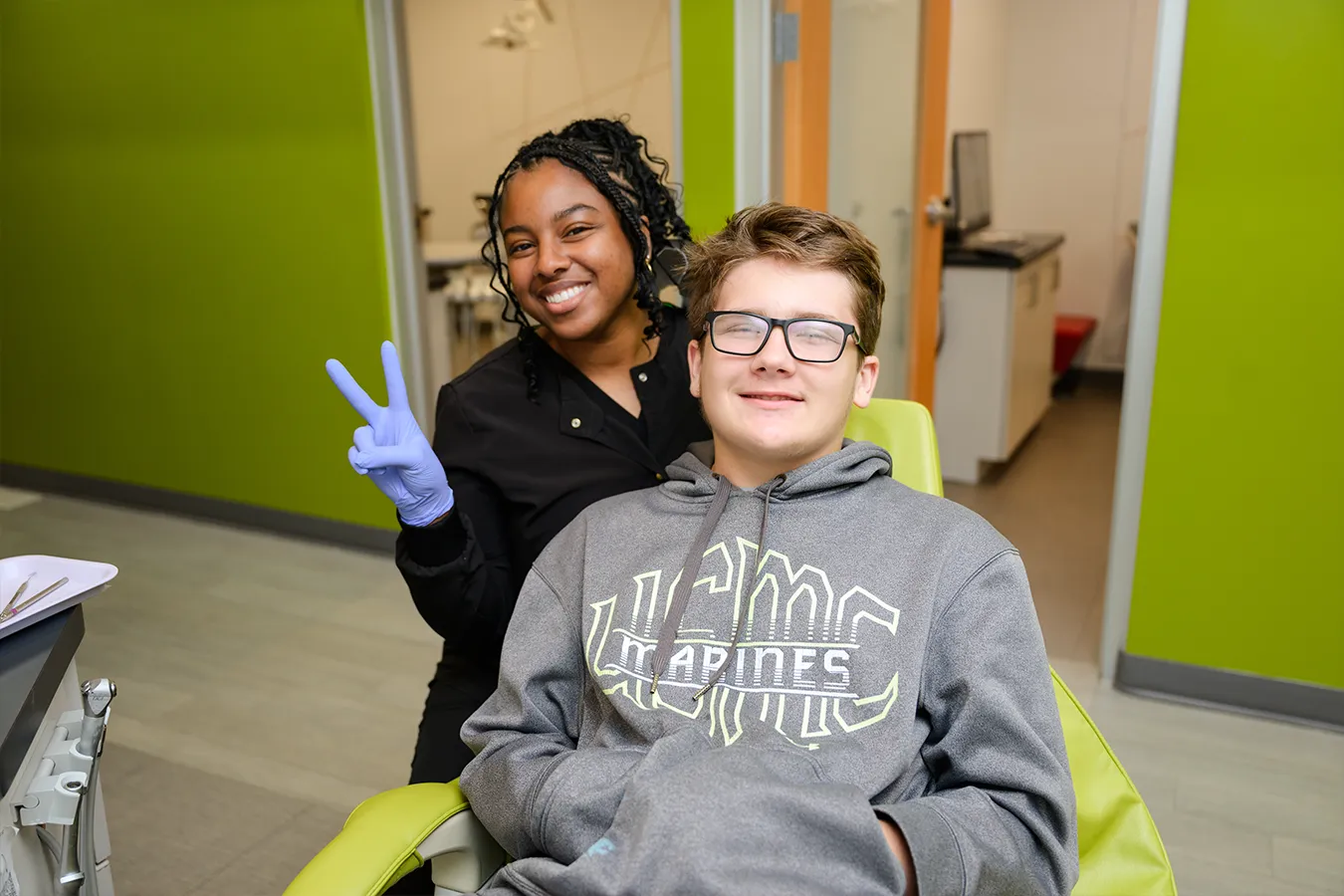
Braces for Adults
Many patients often ask, “Am I too old for braces?” Absolutely not. The types of dental issues that braces are known for correcting can occur at any age — even after your mouth and jaw have long since stopped developing. Therefore, getting braces is something that you can do at any point during your life should you choose to do so.
In fact, the American Association of Orthodontists reports that one in five orthodontic patients is over the age of 21. Adults may choose to correct their orthodontic problems not only for cosmetic reasons, but to maintain their health as well.
benefits of braces for adults
Whether you’re looking to correct misaligned teeth, close gaps, or improve your bite, orthodontic treatment can enhance your overall oral health and give you a confident smile. Straight teeth are easier to clean and maintain, which can help prevent issues like gum disease and tooth decay over time.
Braces for adults also offer an opportunity to correct issues that may not have been addressed in earlier years, giving you the chance to invest in a healthier, more beautiful smile. With discreet options like clear braces, it’s easier than ever to undergo treatment without feeling self-conscious. Our team will work with you to create a personalized treatment plan that fits your lifestyle and goals, ensuring you enjoy all the benefits of a well-aligned smile.