
What Is a Pediatric Dental First Visit?
A pediatric dentist checks your child's teeth, gums, jaw, and soft tissues during the first visit. This gentle exam looks for early signs of decay, monitors how baby teeth are coming in, and evaluates oral habits that could affect development. The appointment also includes parent education on brushing, diet, and what to expect as your little one grows.
The American Academy of Pediatric Dentistry (AAPD) recommends scheduling this first visit by your child's first birthday, or within six months of their first tooth appearing. That might seem early, but there's good reason for it. Baby teeth start coming in around six months. So yes, early matters. Cavities can develop as soon as teeth are present, and getting your child into the dental chair early sets the stage for good oral health habits that stick. Pediatric dentists who specialize in infant and toddler care see kids as young as six months for exactly this reason.
Unlike a standard adult dental exam, a first pediatric visit is shorter, gentler, and focused on making your child feel comfortable. Think of it as an introduction. Your child gets familiar with the sights, sounds, and friendly faces of the practice. You get guidance on caring for those tiny teeth at home.
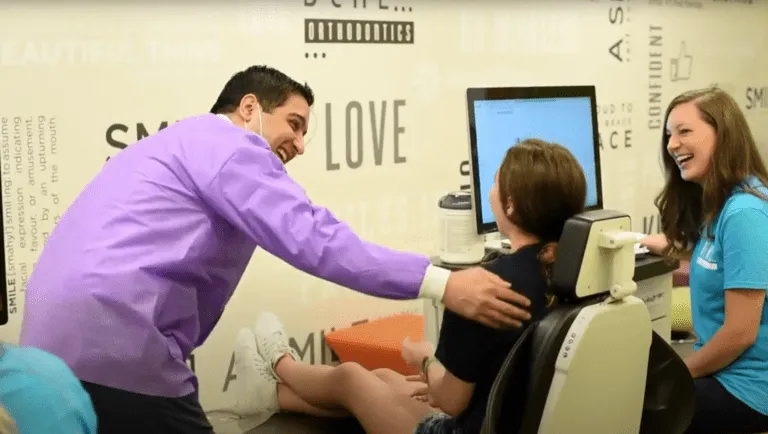
A well-designed pediatric practice feels welcoming from the moment you walk through the door. Kid-friendly spaces, a warm team, and an emphasis on comfort help even the youngest families feel at ease. That first impression goes a long way toward building trust with your child.
What Does a Pediatric Dentist Check at the First Visit?
During your child's first visit, the pediatric dentist performs a thorough but gentle examination. Here's what they're looking for.
The Visual Exam
The visual exam covers all erupted teeth and gum tissue. Your child's dentist examines each tooth for signs of decay, discoloration, or damage. They also check the gums for swelling, redness, or any abnormalities. Even if your baby only has a few teeth, this baseline assessment is valuable for tracking development over time. It's quick, and most kids barely notice it's happening.
Jaw Alignment Matters More Than You Think
Your child's bite alignment matters more than most parents realize. The pediatric dentist looks at how the upper and lower jaws fit together and whether teeth are coming in properly. Early red flags, like a crossbite or crowding, can be spotted during these first visits. Catching these signs early gives your family more options down the road and can sometimes reduce the need for more involved treatment later.
Soft Tissue and Oral Habit Check
The tongue, cheeks, lips, and roof of the mouth all get examined. The dentist looks for anything unusual, including tongue-tie, which can affect feeding and speech development. They'll also ask about habits like pacifier use and thumb-sucking. Both are completely normal in infancy, but your pediatric dentist will talk through when and how to phase them out to protect tooth alignment.
Will There Be a Cleaning and Fluoride Treatment?
If your child is old enough and cooperative, the dentist may do a gentle cleaning to remove any plaque buildup. This isn't always possible with the youngest kids, and that's perfectly okay. No pressure.
For kids at higher risk of cavities, a fluoride varnish may be applied. This strengthens tooth enamel and takes just seconds.
The Parent Conversation
This might be the most valuable part of the visit: the conversation with you. Your pediatric dentist will cover:
- Proper brushing and flossing techniques for little mouths
- Which foods and drinks promote healthy teeth (and which don't)
- Teething timeline and what to expect
- Sippy cup and bottle habits that can cause decay
- When to transition from infant toothpaste to fluoride toothpaste
You'll leave with a clear picture of your child's oral health and a plan for keeping those baby teeth strong.
Benefits of an Early First Dental Visit
An early first dental visit prevents cavities, builds comfort with dental care, and gives parents guidance specific to their child's oral health. It does more than check for decay. Here's why the AAPD and American Dental Association (ADA) both recommend that "first birthday, first visit" guideline.
How Does an Early Visit Help Prevent Dental Issues?
- It catches concerns before they grow. Cavities in baby teeth can progress quickly. Spotting decay early means simpler, less invasive treatment. Developmental concerns are also easier to work through when identified young.
- Every child is different, and your pediatric dentist can tailor advice to your child's specific needs, from teething tips to diet recommendations. That kind of guidance specific to your kid is hard to get from a Google search.
- Regular visits create a routine, too. Kids learn that dental care is just part of life, not something to dread. (That's a win for everyone.)
Why Are Baby Teeth Worth Protecting?
Baby teeth hold space for permanent teeth. Losing them too early to decay can cause alignment concerns later, which is why preventive care matters so much at this stage.
Early evaluation also screens for orthodontic concerns. Your pediatric dentist can identify jaw development or spacing concerns well before treatment would start. Knowing what to watch for helps with planning and gives families peace of mind. According to the AAPD, kids who have their first dental visit by age 1 tend to have fewer dental emergencies and lower treatment costs in early childhood.
Kids who visit the dentist early tend to feel more comfortable with dental care as they grow. Short, positive visits build trust and familiarity, and that comfort carries into the teen years and beyond.
Pediatric Dentist vs. General Dentist for Your Child's First Visit
A pediatric dentist is typically the better choice for your child's first visit because of their specialized training, child-friendly practice environment, and expertise in managing young families. Here's how the two compare.
| Factor | Pediatric Dentist | General Dentist |
|---|---|---|
| Training | 2-3 additional years of residency focused on infants, kids, and teens | General dental education; some pursue additional pediatric CE courses |
| Practice Environment | Child-sized equipment, colorful decor, kid-friendly waiting areas | Standard adult practice |
| Behavior Management | Specialized techniques for anxious, young, or special needs kids | May have limited training in pediatric behavior guidance |
| Age Range | Treats kids from infancy through adolescence | Typically starts seeing kids around age 3-5 |
| Special Needs Care | Trained to accommodate developmental, physical, and medical conditions | Accommodations vary by practice |
Some general dentists are great with kids, and plenty of families have positive experiences going that route. The difference is that pediatric dentists complete residency training entirely focused on treating children. They understand child development. They know how to talk to a nervous 3-year-old differently than a confident 12-year-old. And they're ready for the curveballs that come with treating young families.
What Does a First Pediatric Dental Visit Cost?
A first pediatric dental visit can range from around $50 to $200, depending on your area, your provider, and what services are included. The exact price varies, but many families pay little to nothing out of pocket thanks to insurance coverage.
Does Insurance Cover the First Visit?
Many dental insurance plans cover preventive visits, including exams and cleanings, at 100% with no out-of-pocket cost. It's worth checking your plan's pediatric dental benefits before scheduling so you know exactly what's covered. Most plans consider these visits part of standard preventive care for kids.
Medicaid and CHIP Coverage
If your child is covered by Medicaid or the Children's Health Insurance Program (CHIP), dental exams are typically covered in full. These programs recognize the importance of early dental care and make it accessible for families who need it most. Eligibility and covered services vary by state, so check with your local program for specifics.
Are There Flexible Payment Options?
Many pediatric dental practices offer payment plans, in-house membership programs, or sliding-scale fees for families without insurance. When you're choosing a practice, ask about these options upfront. Some practices will verify your insurance benefits before the visit so there are no surprises. Look for a practice that makes the financial side feel straightforward and easy to understand, because cost shouldn't be the thing that keeps your kid out of the dental chair.
When Should Your Child Have Their First Dental Visit?
The timing is straightforward: schedule your child's first dental visit by their first birthday or within six months of their first tooth erupting, whichever comes first.
Why so early?
Baby teeth typically start appearing around six months of age. As soon as teeth are present, they're vulnerable to decay. Early visits catch concerns before they start and give parents the tools to prevent cavities at home.
Signs that warrant a sooner visit:
- Discoloration or white spots on teeth
- Swollen, red, or bleeding gums
- Difficulty feeding or refusing to eat
- Visible damage to a tooth
- Persistent bad breath
Kids with special health needs
Kids with certain medical conditions, developmental differences, or physical challenges may benefit from establishing dental care even earlier. A pediatric dentist can adapt the approach to meet your child's specific needs, and practices that specialize in pediatric care are set up to handle a wide range of situations.
What if your child is older?
It's never too late to start. If your toddler or preschooler hasn't had a dental visit yet, schedule one soon. No one is going to judge you. The team will simply focus on getting your child on track for healthy teeth. Most pediatric practices welcome babies as young as six months and tailor every visit to your child's comfort level. The goal is progress, not perfection.
Frequently Asked Questions About Your Child's First Dental Visit
How do I prepare my child for their first dental visit?
Keep it simple and positive. Talk about the dentist as a friendly helper who counts teeth and keeps smiles healthy. Read kids' books about dental visits, and avoid scary words or phrases that might cause worry. Let your child bring a comfort item like a stuffed animal. Most importantly, stay calm yourself. Kids pick up on parental anxiety quickly, so your relaxed attitude sets the tone for the whole appointment.
Will my child need X-rays at the first visit?
Usually not. X-rays are typically introduced around age 2-3, once kids can cooperate with the process and when there's a clinical reason to see between or below teeth. The first visit focuses on a visual exam and getting your child comfortable with the practice.
How long does the first appointment take?
The first appointment usually takes about 30-45 minutes. This includes time for the exam, any cleaning or fluoride treatment, and a conversation with you about home care and what to expect going forward. The actual time in the dental chair is often just 10-15 minutes for the youngest kids. It goes faster than most parents expect.
What if my baby cries during the exam?
Completely normal. Babies and toddlers often cry in new situations, especially when a stranger is looking in their mouth. Pediatric dentists are trained to work quickly and gently. A few tears don't mean the visit was unsuccessful. What matters is that your child's teeth were examined and you received guidance for home care. Most kids settle down quickly once the exam is over.
How often should my child see the pediatric dentist after the first visit?
The standard recommendation is every six months for routine exams and cleanings. Some kids with higher cavity risk may need more frequent visits. Your pediatric dentist will recommend a schedule based on your child's individual needs, and that schedule may shift as your child grows and their oral health changes.
What's the difference between a pediatric dentist and a family dentist?
A pediatric dentist completes 2-3 extra years of residency training after dental school, all focused on treating infants, kids, and teens. They're trained in child behavior management, developmental considerations, and treating kids with special health needs. A family or general dentist treats all ages but doesn't have that same depth of pediatric-specific training. Both can provide quality care, but for a first visit with a baby or toddler, a pediatric specialist is usually the better fit.